



What's The Job Market For Oven Hobs Professionals Like?
페이지 정보

본문
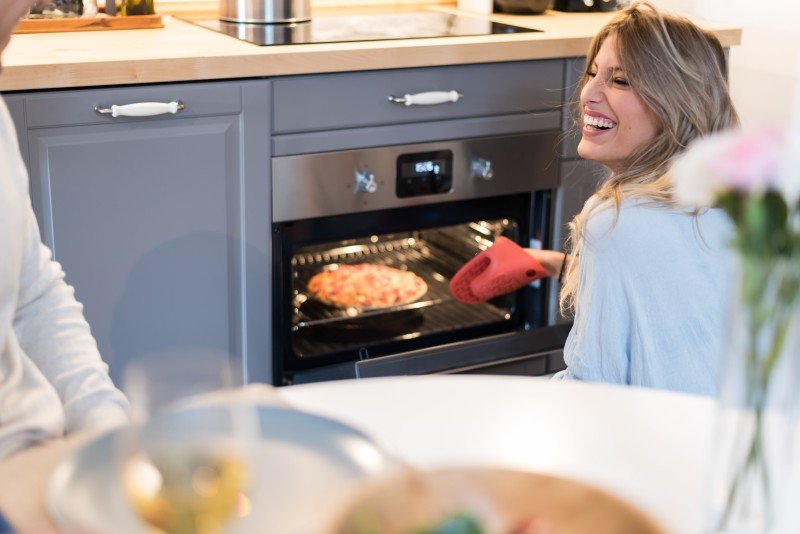
The Essential Guide to Oven Hobs: Selecting the Right One for Your Kitchen
When it concerns home cooking, couple of devices are as vital as the oven hob. This flexible tool is necessary for a variety of cooking techniques-- boiling, frying, simmering, and sautéing. Provided the myriad of options readily available on the marketplace, choosing the perfect oven hob for one's kitchen can be intimidating. This short article intends to supply an in-depth appearance at oven hobs, discussing their types, performances, benefits, disadvantages, and essential considerations when buying one.
Understanding Oven Hobs
Oven hobs, commonly referred to as cooktops, are flat cooking platforms that include burners or heating components. They can be integrated with an oven sale uk or stand-alone. The option of an oven hob can substantially affect cooking performance and convenience.
Types of Oven Hobs
Oven hobs come in numerous types, each with special functions. Below are the most typical types offered:
| Type | Description | Benefits | Drawbacks |
|---|---|---|---|
| Gas Hobs | Uses natural gas or gas | Instantaneous heat and accurate temperature level control; works well with all pots and pans | Requires a gas connection; less energy-efficient than electric |
| electric ovens and hobs Hobs | Use electric coils or convected heat | Easy to clean up; consistent heat circulation | Slower to warm up; can be less responsive than gas |
| Induction Hobs | Makes use of magnetic fields to heat cookware directly | Quick cooking; energy-efficient; easy to tidy | Needs compatible pots and pans; normally more costly |
| Ceramic Hobs | Flat glass-ceramic surface with radiant heat | Aesthetically pleasing; easy to tidy | Can be vulnerable to scratching; slower to heat than induction |
Secret Features of Oven Hobs
When choosing an oven hob, several functions must be considered:
Size & & Configuration: Available built in electric oven and hob various sizes, oven hobs can accommodate several pots and pans. Standard alternatives are normally 30, 36, or 48 inches large.
Power Output: Look for hobs with differing power levels for various cooking processes. High-powered burners are outstanding for boiling, while lower-power ones can be used for simmering.
Control Types: Choose between knob controls and touch controls. Knobs provide tactile feedback, while touch controls use streamlined designs and additional functionalities.
Security Features: Options like automatic shut-off, child locks, and flame failure devices are important for avoiding mishaps.
Alleviate of Cleaning: Choose designs with smooth surfaces or detachable parts for simple maintenance.
Advantages and Disadvantages
Understanding the benefits and drawbacks of various oven hobs can assist built in oven and hob making a notified decision.
Advantages
- Adaptability: Suitable for different cooking methods, from boiling to frying.
- Speed: Many hobs heat rapidly, specifically induction models.
- Energy Efficiency: Some options, like induction hobs, can decrease energy consumption compared to traditional methods.
Downsides
- Expense: High-end designs, particularly induction hobs, can be costly.
- Installation: Gas hobs require expert installation and a gas supply, which might incur extra costs.
- Compatibility: Not all pots and pans works on induction hobs, demanding extra purchases.
Purchasing Considerations
When selecting an oven hob, think about the following factors:
Cooking Style: Assess how typically and what type of cooking you do to figure out the very Best ovens hob type.
Kitchen Layout: Measure your kitchen area to ensure the hob fits and matches other devices.
Budget plan: Determine how much you are willing to invest. Factor in installation and the expense of any required cookware.
Energy Source: Evaluate the accessibility of gas or the electrical capacity of your kitchen to choose between gas and electric alternatives.
Frequently Asked Questions About Oven Hobs
Q1: What is the difference between a cooktop and an oven hob?A cooktop and an oven hob typically describe the exact same appliance. Nevertheless,"cooktop "is a broader term that consists of both standalone hobs and integrated units with ovens. Q2: Can I use any pots and pans on an induction
hob?No, induction hobs require ferrous( magnetic)cookware
to work. Pots and pans made of product like stainless steel or cast iron is suitable, while aluminum and copper without magnetic properties are not. Q3: How do I clean my oven hob properly?Cleaning methods depend on the kind of hob.
Normally, a moist cloth and mild cleaning agent work for glass-ceramic surfaces, while a specific hob cleaner is perfect for induction. Gas hobs require taking apart burners for comprehensive cleaning. Q4: Are induction hobs safe for cooking?Yes, induction hobs are generally more secure than gas hobs as they do not produce an open flame,and the surface cools off quickly. Many models also feature kid security locks. Q5: How typically must I replace my oven hob?The lifespan of an oven hob varies based upon the type and use. Usually, they last around 10 to 15 years.
Regular upkeep can assist extend this period. Selecting the perfect oven hob for your home can greatly improve your cooking experience. With a comprehensive understanding of the types, functions, advantages, and factors to consider, anybody can make an educated option. From the high heat of gas to the efficiency of induction, there is a hob suited to every cooking requirement. Ultimately, the ideal oven hob can change cooking from a mundane job into an art type, allowing culinary lovers to create delicious meals with ease.
- 이전글See What Bifold Door Makeover Tricks The Celebs Are Using 26.03.10
- 다음글10 Startups Set To Change The Bifold Door Refinishers Industry For The Better 26.03.10
댓글목록
등록된 댓글이 없습니다.