



A Relevant Rant About German Driving License
페이지 정보

본문
A Comprehensive Guide to the German Driving License
If you're planning to drive in Germany, understanding the procedure of acquiring a German driving license is important. The German driving license, or "Führerschein," is not just a legal requirement; it is likewise a reflection of the nation's commitment to roadway security and accountable driving. In this post, we will check out the different classes of driving licenses, the requirements for getting one, the licensing process, and address frequently asked questions.
Types of German Driving Licenses
Germany provides numerous classifications of driving licenses, each representing various types of cars. Below is a breakdown of the crucial classes:
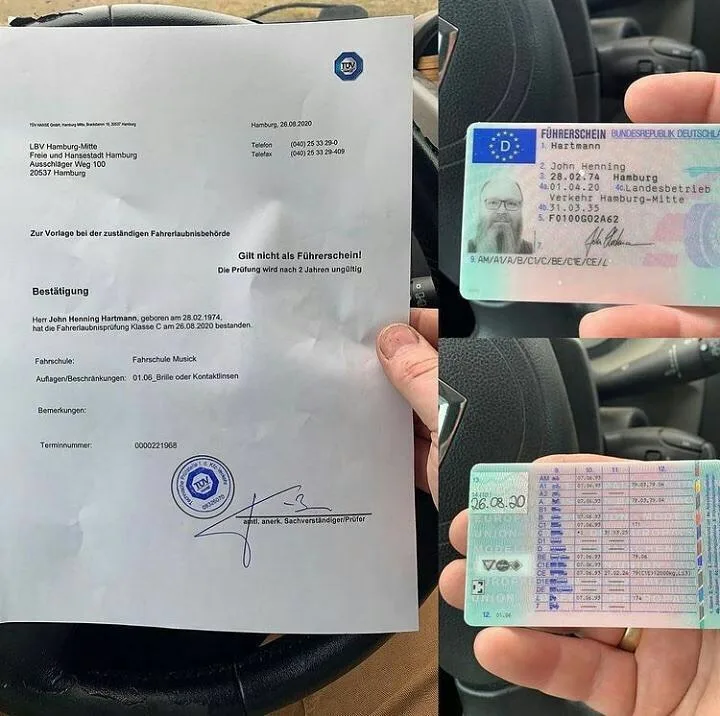
| License Class | Automobile Type | Minimum Age |
|---|---|---|
| AM | Mopeds, scooters up to 50cc | 15 |
| A1 | Motorbikes approximately 125cc | 16 |
| A | Motorcycles (unrestricted) | 24 (or 20 with two years of A2) |
| B | Cars and trucks (as much as 3.5 tons) and light vans | 18 |
| BE | Cars with trailers | 18 |
| C | Trucks over 3.5 lots | 21 |
| CE | Trucks with trailers | 21 |
| D | Buses | 24 |
| DE | Buses with trailers | 24 |
Key Terms to Know
- Führerschein: The German term for a driving license.
- Prüfung: The examination (theoretical and useful) needed to get a driving license.
- Fahrlehrer: Driving instructor.
Requirements for Obtaining a German Driving License
To get a German driving license, applicants must meet specific requirements, which differ slightly depending upon the license class.
General Eligibility Criteria
- Age: Meet the minimum age requirement for the desired license class.
- Residency: Be a local of Germany.
- Identity Verification: Provide a legitimate ID (e.g., passport or nationwide ID card).
- Health Examination: Complete a medical evaluation and an eye test.
Steps in the Application Process
The process of getting a German driving license can be broken down into numerous steps:
Enroll in a Driving School: Choose a licensed driving school ("Fahrschule") and enlist in a course that fits your desired license class.
Theoretical Training: Attend theoretical classes covering road indications, guidelines, and safe driving practices.
Paperwork: Prepare required documents, including proof of residency, medical checkup results, and pictures.
Practical Training: Complete a specified minimum number of practical driving lessons with a driving trainer.
Theoretical Exam: Pass a theoretical test that comprises multiple-choice concerns on traffic law and safe driving.
Practical Exam: Successfully finish a practical driving test carried out by a licensed inspector.
License Issuance: Upon passing both exams, submit the needed documents to the regional authorities to receive your driving license.
Fees
Below is an example of the approximate charges related to obtaining a German driving license:
| Service | Cost Range (EUR) |
|---|---|
| Driving School Fees | 1,200 - 2,500 |
| Theoretical Exam | 20 - 50 |
| Practical Exam | 80 - 150 |
| Medical Examination | 30 - 80 |
| Eye Test | 5 - 15 |
| License Issuance Fee | 25 - 70 |
Crucial Driving License Regulations
Once you have acquired your German driving license, it is vital to stay notified about the regulations that govern driving in Germany. Here are some key points to think about:
- Validity: A German driving license is legitimate for 15 years. After that, it must be restored with updated files.
- Points System: Germany has a points system for traffic violations. Building up a lot of points can result in license suspension.
- International Driving: Holders of a German driving license can drive in other deutscher eu führerschein Kaufen countries without the need for an International Driving Permit (IDP). However, third-country nationals should check if they need an IDP to drive within Germany.
Regularly Asked Questions (FAQs)
1. Can I drive in Germany with a foreign license?
Yes, you can drive in Germany with a legitimate foreign driving license for approximately six months. After this duration, you should either convert your license to a German one or take the driving tests if needed.
2. How do I convert my foreign driving license to a German one?
The conversion procedure normally involves submitting your foreign license, evidence of identity, and a medical exam. Depending on the native land, you may be exempt from taking driving tests. Contact your regional licensing authority for specific requirements.
3. What occurs if I stop working the driving tests?
If you fail either the theoretical or practical test, you can retake them. Nevertheless, there are waiting durations, and extra fees might use for each effort.
4. Do I need insurance to drive in Germany?
Yes, it is obligatory to have at least liability insurance (Haftpflichtversicherung) to drive lawfully in Germany.
5. Are there any constraints for new chauffeurs?
New drivers (under the probationary period) need to comply with certain constraints, including a zero-tolerance policy for drinking and an optimum of 3 points before dealing with a license suspension.
Getting a German driving license is a structured process developed to ensure that all motorists have a thorough understanding of roadway security and traffic regulations. Whether you are a resident or an expat, acquainting yourself with the procedure and requirements will make your journey smoother. Constantly prioritize security on the roads and regard the guidelines that have actually been put in location for the wellness of all road users. If in doubt, consult your regional driving authority or driving school for additional assistance. Safe driving!
- 이전글You'll Never Guess This Buy Meds For Weight Loss's Secrets 26.03.14
- 다음글The 10 Most Terrifying Things About Portable Running Machine 26.03.14
댓글목록
등록된 댓글이 없습니다.