



9 Things Your Parents Teach You About Pallets Manufacturer
페이지 정보

본문
The Role of Pallet Manufacturers in Modern Logistics
In today's fast-paced international economy, the function of pallet producers is more critical than ever. Pallets, often taken for given, are the unrecognized heroes of supply chains, making the transport and storage of goods efficient and Affordable Wooden Pallets. This post delves into the complex world of pallet manufacturing, the various kinds of pallets readily available, producing procedures, and their significance in various markets.
Understanding Pallets
Before diving into the specifics of pallet makers, it's vital to comprehend what pallets are and their value. A pallet is a flat structure, normally made from wood, plastic, or metal, that supports goods in a steady way throughout storage and transportation. They enable the easy handling of items utilizing forklifts and pallet jacks and can be stacked to make the most of area.
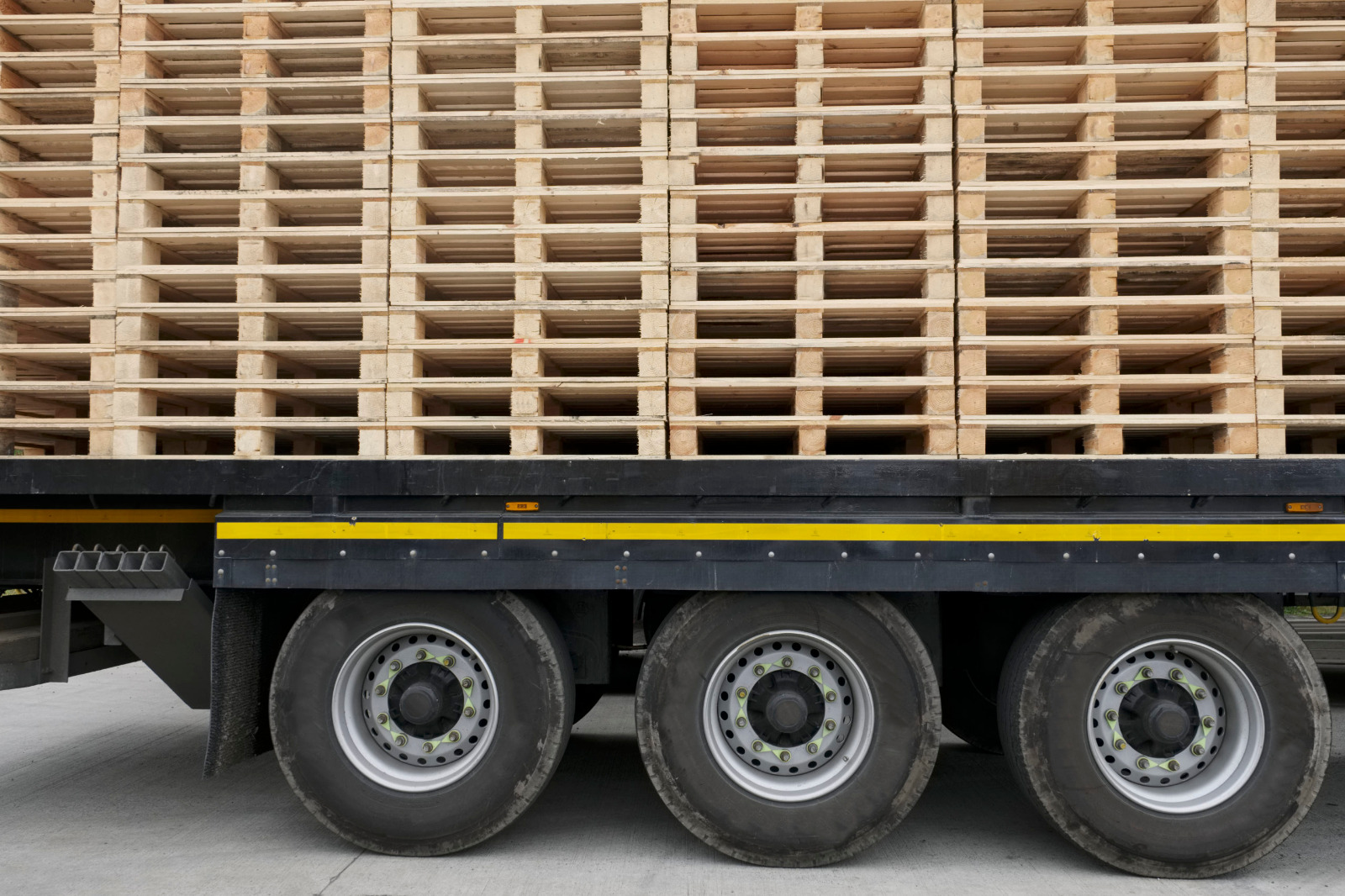
Table 1: Types of Pallets
| Pallet Type | Material | Features | Common Uses |
|---|---|---|---|
| Wooden Pallets | Wood | Resilient, affordable, easily repaired | Warehousing, shipping, retail |
| Plastic Pallets | Plastic | Light-weight, resistant to wetness, sanitary | Food and pharmaceutical markets |
| Metal Pallets | Metal | Heavy-duty, long-lasting, protected | Automotive parts, heavy equipment |
| Paper Pallets | Paper | Lightweight, recyclable | Retail, light items |
| Composite Pallets | Mixed Materials | Resilient and weather condition resistant | Robotics, automated storage systems |
The Manufacturing Process
Pallet production is a careful procedure involving several stages to guarantee quality and resilience. Here's a better look at the manufacturing actions:
Material Selection: The type and quality of materials selected will determine the pallet's sturdiness, weight capacity, and cost-effectiveness.
Cutting and Shaping: Raw products are cut to size and shaped into the needed pallet design. This includes any needed supports.
Assembly: Pieces are put together using nails, screws, or adhesives, depending upon the materials used.
Finishing: Some pallets are sanded for a smoother surface, treated for pest resistance, or painted for identification.
Quality Control: Finished pallets undergo quality checks to guarantee they meet market standards and customer specs.
Table 2: Manufacturing Methods
| Method | Description | Benefits |
|---|---|---|
| Standard Woodworking | Handcrafted approaches that use personalization | High craftsmanship and originality |
| Automated Processes | Use of equipment and robotics for mass production | Increased performance, lower expenses |
| Injection Molding | For plastic pallets, materials are heated and formed | Consistency and sturdiness |
| Pushing | Compressing products into shape for paper pallets | Ecologically friendly and light-weight |
Importance of Pallets in Various Industries
Pallets are used throughout diverse industries, each requiring specific styles and materials. Below are some crucial sectors that rely greatly on pallets:
Manufacturing: Ensures products are kept and delivered efficiently, often utilizing wooden pallets for heavy products.
Retail: Enables merchants to stock and screen items without compromising safety, typically utilizing a mix of plastic and wooden pallets.
Food and Beverage: Emphasizes hygiene and moisture resistance, making plastic pallets a favored choice.
Healthcare and Pharmaceuticals: Requires rigorous compliance with safety standards, triggering making use of particularly created plastic pallets.
E-commerce: Supports the fast satisfaction of online orders, typically requiring flexible pallet designs for varied product sizes.
Table 3: Industry-Specific Pallet Requirements
| Industry | Product Preferred | Secret Feature Required |
|---|---|---|
| Food and Beverage | Plastic | Resistant to moisture, simple to tidy |
| Pharmaceuticals | Plastic or Lightweight Wood | Sterilized, robust against contamination |
| Automotive | Metal | Sturdy, able to withstand rigors |
| E-commerce | Composite | Flexible and efficient in diverse loads |
| General Manufacturing | Wood | Cost-effective and strong for bulk storage |
Challenges Faced by Pallet Manufacturers
While pallet manufacturing is essential to logistics, it is not without its obstacles:
Sustainability: There is increasing pressure to embrace sustainable practices, including sourcing environment-friendly products.
International Supply Chain Issues: Material lacks can delay production, affecting shipment timelines.
Market Demand Fluctuation: Manufacturers need to adjust to seasonal demand changes, which can affect functional efficiency.
Regulatory Compliance: Compliance with security and environmental regulations can add complexity to making processes.
Often Asked Questions (FAQ)
Q1: What is the typical lifespan of a wooden pallet?A1: A normal wooden pallet can last from 5 to 15 years, depending on use, maintenance, and ecological conditions.
Q2: Can Pallets Manufacturer be recycled?A2: Yes, a lot of
pallets can be fixed and reused multiple times before being recycled into New Wooden Pallets items.
Q3: Are plastic pallets much better than Purchase Wooden Pallets ones?A3: It depends upon the application. Plastic pallets are generally more hygienic and resilient, while wooden pallets are frequently less expensive and simpler to repair. Q4: How do I select the right pallet for my business?A4:
Consider aspects such as the kind of products being dealt with, weight limitations
, health requirements, and cost-efficiency. Pallet producers play an important role in the logistics and supply chain ecosystem
, offering vital assistance for different industries. By understanding the types of pallets available, the production process, and the significance of pallets in different sectors, companies can make educated decisions about their logistics requirements. Sustainability, efficiency, and adaptability are key styles that loom big in the industry, making it important for producers to remain ahead of obstacles while continually innovating. As supply chains evolve, so too will the innovations and processes behind pallet production, strengthening their status as vital properties in the transport of products.
- 이전글The Evolution Of Composite Door Hardware Fix 26.03.14
- 다음글10 Things Competitors Help You Learn About Steroid Store Germany 26.03.14
댓글목록
등록된 댓글이 없습니다.