



Guide To Small Cooker Hoods: The Intermediate Guide In Small Cooker Ho…
페이지 정보

본문
The Essential Guide to Small Cooker Hoods: Size Matters in Kitchen Design
In the modern kitchen, performance and visual appeals work together. One element that plays a vital role in both elements is the cooker hood. For those dealing with restricted area or seeking a minimalist design, small cooker hoods use an ideal option. In this article, we will check out the significance of small cooker hoods, their types, features, advantages, and attend to some regularly asked concerns.
Why Small Cooker Hoods Matter
Small cooker hoods serve an important purpose in any kitchen environment. They help remove smoke, steam, grease, and smells produced during cooking, guaranteeing a cleaner and much healthier area. Not only do they improve air quality, however they likewise secure kitchen surface areas from grease accumulation, which can be a long-term upkeep issue.
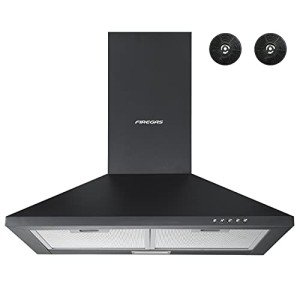
Table 1: Benefits of Small Cooker Hoods
| Advantage | Description |
|---|---|
| Area Saving | Compact designs suit small kitchen locations. |
| Improved Air Quality | Efficiently removes smoke and odors. |
| Visual Appeal | Readily available in various designs to improve design. |
| Easy Installation | Usually uncomplicated to set up in tight spaces. |
| Adaptability | Ideal for numerous types of cooking areas. |
Types of Small Cooker Hoods
When it concerns selecting a small cooker hood, numerous alternatives are readily available. Various types cater to differing kitchen layouts and preferences:
Wall-Mounted Cooker Hoods: These hoods are repaired to the wall above the Stove Extractor Fan. They come in various designs, including standard and modern designs, making them suitable for various kitchen looks.
Under-Cabinet Cooker Hoods: As the name suggests, these are set up below kitchen cabinets, best for taking full advantage of counter space while offering reliable ventilation.
Island Cooker Hoods: Intended for kitchens with an island cooking area, these hoods hang from the ceiling and can offer a remarkable focal point while efficiently eliminating air-borne particles.
Ductless Cooker Hoods: Ideal for homes or areas where venting outside is difficult, ductless hoods filter air through charcoal and recirculate it back into the kitchen.
Downdraft Cooker Hoods: These are retractable hoods that emerge from the counter top when in use, using a smooth and discreet solution for those who focus on design and space.
Table 2: Comparison of Small Cooker Hood Types
| Type | Installation Location | Setup Complexity | Air Extraction Method |
|---|---|---|---|
| Wall-Mounted | Wall above stove | Moderate | Ducted or ductless |
| Under-Cabinet | Beneath cabinets | Easy | Ducted or ductless |
| Island | Suspended over island | Moderate | Ducted |
| Ductless | Anywhere | Easy | Recirculating |
| Downdraft | Counter top | Advanced | Ducted or recirculating |
Key Features to Look for in Small Cooker Hoods
Selecting the right small cooker hood includes searching for different functions to guarantee they fulfill your requirements. Here are some important features to consider:
Extraction Rate: Measured in cubic meters per hour (m ³/ h), this suggests how successfully the hood can eliminate smoke and odors. A greater extraction rate is normally better for frequently used kitchens.
Sound Level: Measured in sones, the sound level ought to be thought about, particularly in open-plan kitchens. Many small cooker hoods operate in between 30 to 70 dB. Try to find quieter designs for a more pleasant cooking experience.
Filtering System: Choose in between ducted and ductless hoods based on your kitchen design. If selecting ductless, make sure the Extractor Hood Kitchen has a premium charcoal filter for reliable smell absorption.
Lighting: Built-in lighting can improve exposure while cooking, making the entire cooking procedure more effective.
Relieve of Cleaning: Removable and dishwasher-safe filters streamline maintenance. Stainless-steel surfaces are typically simpler to tidy than painted ones.
Table 3: Essential Features for Small Cooker Hoods
| Function | Importance |
|---|---|
| Extraction Rate | Impacts air quality during Cooking Hood |
| Noise Level | Important for an enjoyable kitchen atmosphere |
| Filtration System | Important for efficient elimination of smoke and smells |
| Built-in Lighting | Improves exposure while cooking |
| Relieve of Cleaning | Conserves time and effort in upkeep |
Setup Considerations
Even with a compact size, the installation of a small cooker hood needs some planning. Here are some key actions to think about:
Measure Your Space: Carefully measure the location above your cooking surface area to ensure that the chosen cooker hood will fit without overcrowding.
Select the Right Height: Follow producer specs for height positioning. Typically, the bottom of the hood must be 65-75 cm above the cooktop for optimum efficiency.
Check Ventilation: Ensure there's a correct exit for ducted hoods. For ductless options, figure out the best placement for air recirculation.
Use Professional Help: If not sure about setup treatments or electrical connections, think about working with an expert to make sure safety and ideal functioning.
Often Asked Questions (FAQ)
What size cooker hood do I require for my small kitchen?
- The size depends on the width of your cooking surface area. A general standard is to choose a hood that is at least the exact same width as the cooking surface area.
Are small cooker hoods less reliable than bigger ones?
- Not necessarily. A properly designed small cooker hood can successfully handle smoke and smells just as well as a larger model, specifically if it has a high extraction rate.
How do I maintain my small cooker hood?
- Frequently tidy or change filters as per the producer's suggestions. Wipe down the hood surface area with a mild cleaner to prevent grease build-up.
Can I set up a cooker hood myself?
- It is possible, but for those unfamiliar with pipes and electrical work, employing an expert can ensure security and appropriate setup.
Is a ductless cooker hood reliable?
- Ductless hoods can be reliable, specifically in kitchens without proper ventilation. However, they need regular filter changes to guarantee optimal efficiency.
Small cooker hoods are a functional and elegant need for modern kitchens, particularly in restricted areas. From numerous types to necessary features, comprehending what to search for can ensure that you select the best option for your cooking environment. By prioritizing air quality, aesthetic appeals, and maintenance, homeowners can develop a gorgeous and effective kitchen that caters to their particular needs.
- 이전글What's The Job Market For Extractor Fan Over Island Professionals Like? 26.03.06
- 다음글5 Killer Quora Answers On cat flap installation service providers 26.03.06
댓글목록
등록된 댓글이 없습니다.